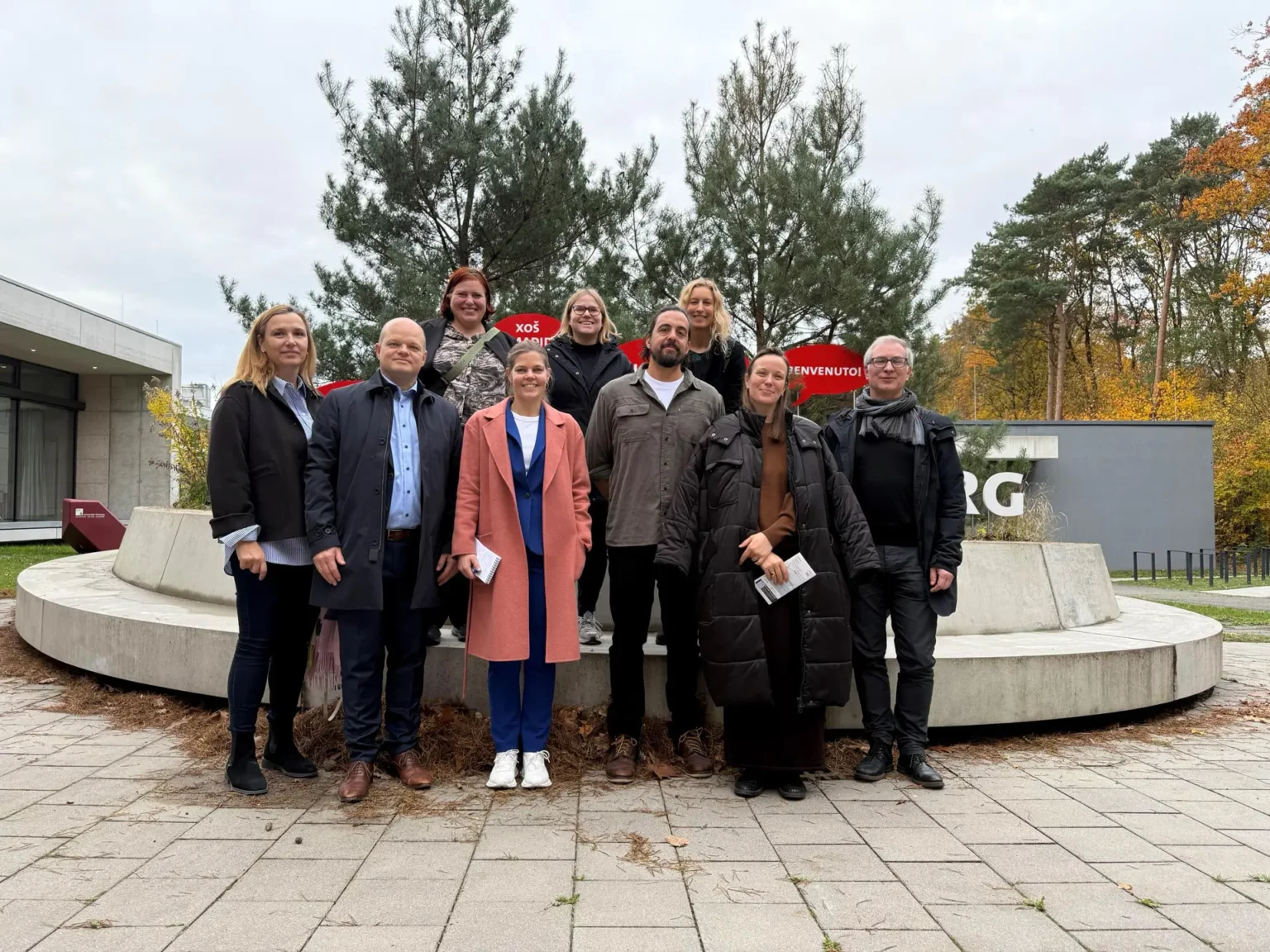
Exchange of experience with projects from Denmark and Sweden
Science City Hamburg Bahrenfeld is a future-oriented project tailor-made for Hamburg. But what are other locations doing to promote science-driven innovation?
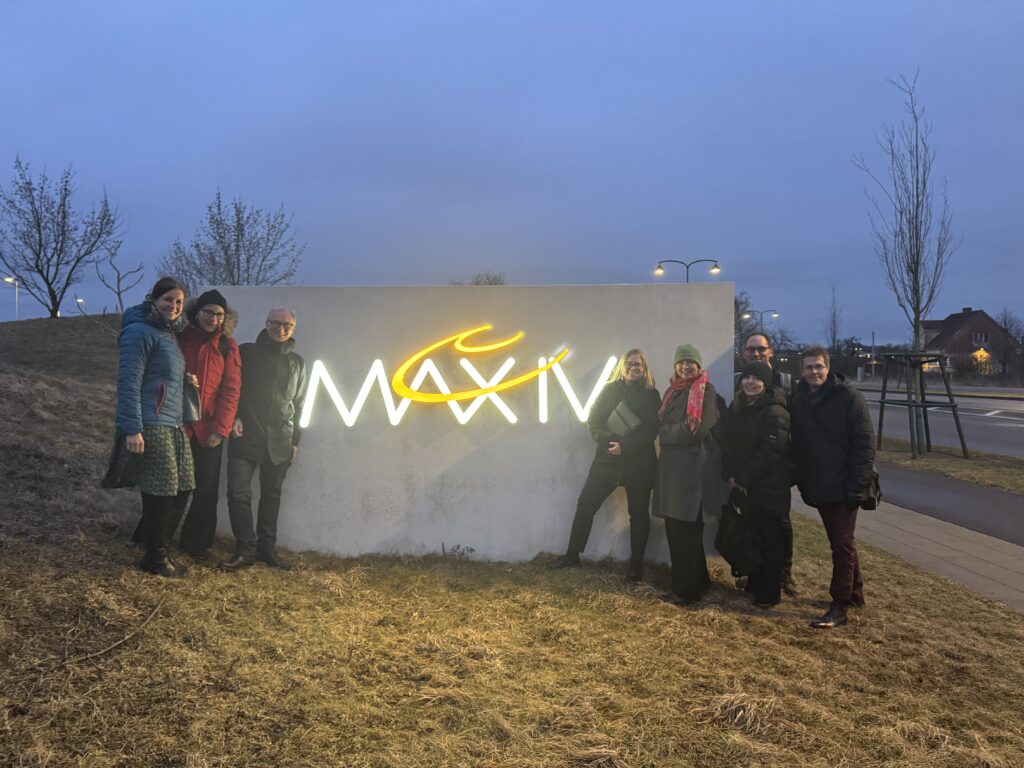
On November 4 and 5, there was an exciting strategic exchange with representatives of the Innovation District Copenhagen and the Science Village in Lund. The visit took place as part of the HALRIC (Hanseatic Life Science Research Infrastructure Consortium) project.
Intensive exchange over two days
The delegation from Denmark and Sweden included seven representatives from the fields of university administration, innovation management and campus development.
During their two-day visit, the participants toured the German Electron SynchrotronDESY), the University of Hamburg's research campus in Bahrenfeld, the Start-up Labs and the TecHHub in theAltona Innovationspark .
"The discussions made it clear what similarities and differences there are between the various innovation systems. We were also able to identify potential for further cooperation in the future," says Marie-Lena Dieckmann, Project Manager Science City Hamburg Bahrenfeld at the Ministry of Science, Research and Equality.

Authority for Science, Research and Equality (BWFG)
Promoting long-term cooperation
In the coming year, representatives of Hamburg Science City want to continue the exchange with the Scandinavian partners. The final conference of the HALRIC project will take place in Lund on February 24 and 25, 2026.
Innovation in the life sciences
HALRIC is an EU Interreg-funded project that aims to strengthen the innovative power of life sciences in the Öresund-Kattegat-Skagerrak-Hamburg region by facilitating access to state-of-the-art research technology, expertise and data solutions across national borders.
For example, collaborations between companies, clinics, large research facilities (such as MAX IV, ESS, European XFEL and DESY) and smaller scientific institutions are to be promoted. Up to 75 pilot projects are planned. The long-term aim is to establish a more integrated innovation ecosystem in Northern Europe.